The Importance of Aluminum Foundry beforehand Manufacturing Techniques and Sustainability
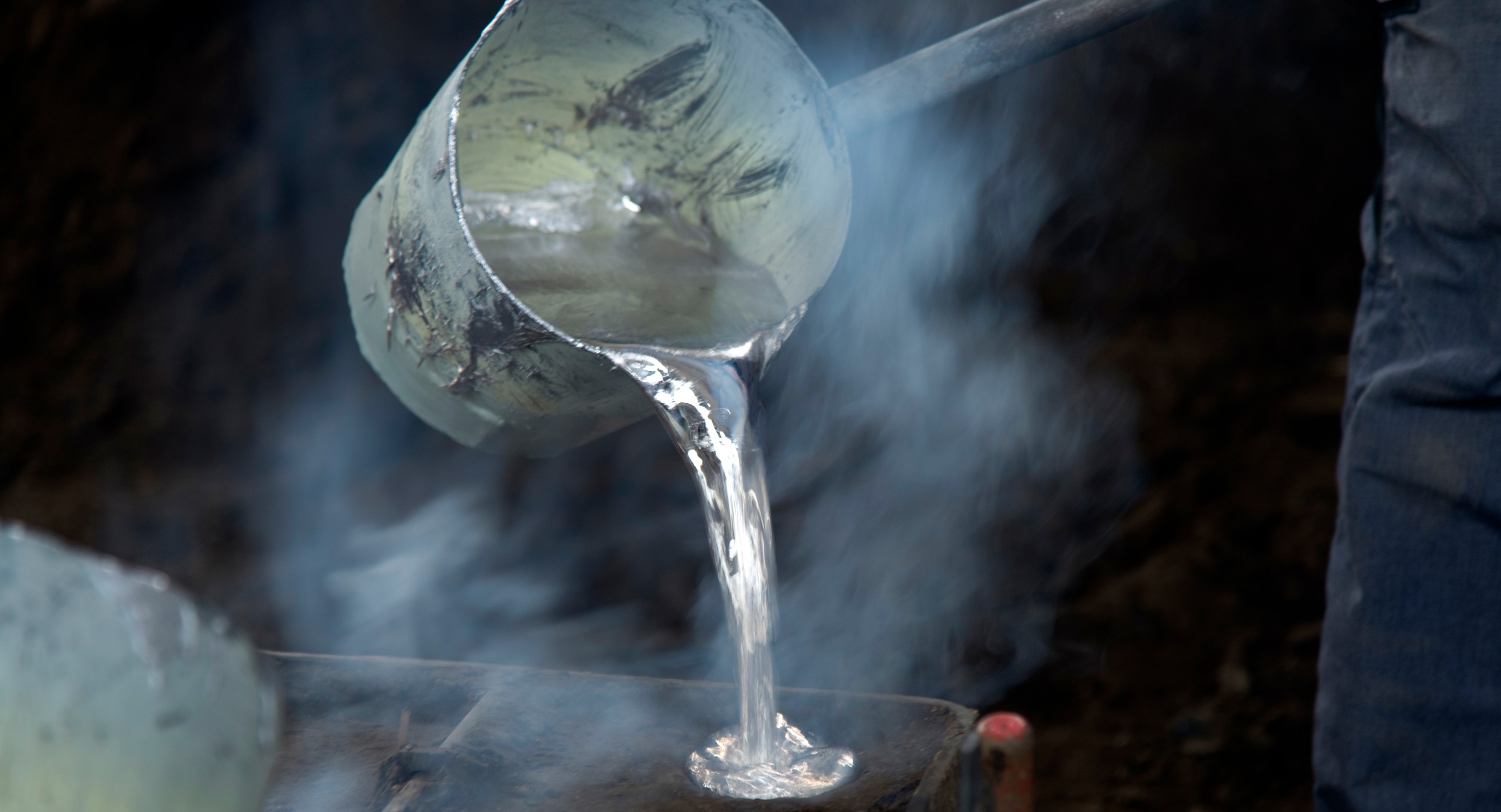
Aluminum factories are critical in forming contemporary Manufacturing practices and advertising sustainability. With innovative casting methods and advanced alloy formulas, they improve product performance while minimizing environmental effect. Their commitment to recycling and energy-efficient methods aligns with global sustainability objectives. The continuous development of these practices elevates concerns regarding future advancements. What innovations could better change the sector and influence broader ecological approaches?
The Role of Aluminum in Modern Manufacturing
Aluminum plays a critical role in modern-day Manufacturing due to its special mix of lightweight homes, toughness, and corrosion resistance. This convenience enables it to be utilized throughout numerous markets, including automotive, aerospace, and construction. In auto Manufacturing, Aluminum is important for producing fuel-efficient vehicles, as it minimizes total weight while keeping structural honesty. Aerospace designers utilize Aluminum for airplane components, gaining from its strength-to-weight proportion, which improves gas efficiency and efficiency.
Moreover, Aluminum's resistance to deterioration expands the life expectancy of products, making it a preferred option for aquatic environments and outdoor applications. The ability to be easily made and recycled more emphasizes its value in sustainable Manufacturing methods. As markets remain to introduce, Aluminum's duty is expected to expand, adding to improvements in modern technology and effectiveness. Its buildings not just satisfy current Manufacturing demands however likewise align with future sustainability goals.
Benefits of Aluminum Over Other Materials
Aluminum provides considerable benefits contrasted to various other materials, largely due to its solid and lightweight buildings. Its natural resistance to rust boosts sturdiness, making it appropriate for different applications. In addition, Aluminum's recyclability lines up with sustainability objectives, additionally boosting its charm in Manufacturing.
Strong and lightweight Features
The light-weight nature and durable toughness of Aluminum make it a highly in-demand material in various producing industries. Its impressive strength-to-weight proportion enables for more effective designs, lowering the overall weight of items while keeping structural integrity. This property is particularly advantageous in markets such as aerospace and auto, where every gram matters for gas efficiency and performance. Additionally, Aluminum's pliability allows producers to create intricate shapes and types without compromising toughness. Compared to typical materials like steel, Aluminum can accomplish comparable strength levels at a considerably reduced weight, improving the efficiency of final product (Aluminum Foundry). These attributes add to innovative layouts and enhanced sustainability in making procedures, making Aluminum an important product in contemporary manufacturing.
Rust Resistance Benefits
One of the notable benefits of Aluminum is its extraordinary corrosion resistance, which establishes it besides numerous various other products. This property is primarily as a result of the development of a slim oxide layer that secures the underlying steel from ecological variables. Unlike steel, which can corrosion when revealed to moisture, Aluminum preserves its integrity in various conditions, including saltwater and acidic atmospheres. This resistance not only lengthens the life expectancy of Aluminum products however likewise reduces the demand for protective coatings or therapies. Consequently, makers can attain reduced upkeep expenses and boosted resilience in applications ranging from vehicle parts to structural components. The rust resistance of Aluminum subsequently enhances its charm in diverse sectors, highlighting its significance in modern-day Manufacturing.

Recyclability and Sustainability
Recyclability stands apart as a vital advantage of Aluminum, substantially adding to its sustainability as a product in Manufacturing. Unlike many various other materials, Aluminum can be reused forever without degrading its homes. This particular reduces the demand for virgin resources, which lessens environmental influence and conserves power. The reusing procedure for Aluminum eats only about 5% of the power needed for main manufacturing, resulting in substantial reductions in greenhouse gas exhausts. Additionally, the closed-loop recycling system utilized in numerous sectors guarantees that Aluminum scraps are successfully repurposed, enhancing resource effectiveness. Compared to products like steel or plastic, Aluminum's recyclability promotes a circular economic situation, making it a favored option for makers concentrated on lasting methods and accountable source administration.
Technologies in Aluminum Casting Techniques
Transforming the Aluminum spreading market, current developments have actually presented advanced strategies that improve accuracy and performance. One substantial advancement is the adoption of 3D printing innovation for creating mold and mildews, which permits for rapid prototyping and decreased preparations. This method allows producers to produce intricate geometries that were previously challenging to accomplish with traditional approaches.
Additionally, the combination of computer system simulations has actually improved the forecasting of casting defects, thus lowering trial and error in the production procedure. Techniques such as vacuum casting and low-pressure die spreading have actually additionally emerged, which lessen gas entrapment and warranty uniform metal circulation.
Innovations in alloy formulas have led to stronger, lighter materials, appropriate for a variety of applications. These technologies not just enhance manufacturing procedures but likewise improve the general top quality and performance of Aluminum elements, placing the sector at the center of contemporary Manufacturing practices.
Minimizing Waste With Recyclability
As the Aluminum industry proceeds to progress, a growing focus on sustainability has actually brought about considerable developments in recyclability methods. The intrinsic residential properties of Aluminum make it one of the most recyclable products available, allowing it to be recycled without loss of quality. This capability is necessary in reducing waste, as Aluminum can be recycled forever, reducing the demand for virgin material extraction.
Aluminum factories are increasingly adopting closed-loop systems where scrap products are reintegrated right into the production process. This not only lowers land fill contributions but additionally conserves power and resources. Carrying out advanced optimizing and sorting modern technologies collection methods even more boosts recycling prices, making certain that more Aluminum is caught and repurposed.
The dedication to recyclability not only sustains ecological objectives yet likewise fosters financial advantages by minimizing production prices and creating work in reusing markets. Consequently, Aluminum shops play a considerable duty in advertising lasting Manufacturing techniques.
Power Efficiency in Aluminum Manufacturing
While the Aluminum market has actually made strides in recyclability, power effectiveness remains a critical focus in production processes. The energy-intensive nature of Aluminum manufacturing, especially throughout smelting, necessitates continuous advancement to reduce consumption. Advanced technologies, such as inert anode technology and improved electrolysis techniques, are being discovered to minimize power usage while keeping result quality.
Additionally, maximizing heating system operations and implementing heat recovery systems can considerably lower energy needs. Market stakeholders are significantly buying study to create more energy-efficient tools and processes, identifying that reduced power intake not only reduces functional prices yet also minimizes environmental effect.
Additionally, incorporating renewable resource sources right into Aluminum manufacturing centers presents a promising opportunity for enhancing energy effectiveness. As the Aluminum industry adapts to these innovations, it places itself as a much more sustainable frontrunner in modern-day Manufacturing, eventually paving the method for a greener future.
The Influence of Aluminum Foundries on Sustainability Practices
Aluminum factories play a crucial role in advertising sustainability within the Manufacturing market. Via reliable recycling of Aluminum waste and cutting-edge power efficiency techniques, these facilities markedly lower their ecological impact. Subsequently, their operations add to a reduced carbon footprint, straightening with international sustainability goals.
Reusing Aluminum Waste
Although the manufacturing of Aluminum is frequently associated with high power usage and ecological impact, the recycling of Aluminum waste offers an important chance for sustainability in Manufacturing. Aluminum factories play an important function in this process by effectively processing scrap materials, which can be recycled in new items. This closed-loop system decreases the need for virgin materials, noticeably reducing source removal and energy usage. In enhancement, recycled Aluminum requires just about 5% of the power needed for primary production, therefore reducing greenhouse gas emissions - Aluminum Foundry. By integrating recycling practices, Aluminum factories contribute to a round economic situation, promoting sustainability while maintaining the quality and efficiency of Aluminum products. This approach not just benefits suppliers but additionally supports ecological preservation initiatives around the world
Power Performance Innovations
As the need for lasting Manufacturing grows, Aluminum shops are progressively embracing energy performance advancements that greatly boost their ecological efficiency. These technologies consist of innovative melting modern technologies that minimize power intake and maximize thermal performance. Factories are applying systems that recuperate waste warmth, enabling them to repurpose power that would certainly otherwise be lost. Furthermore, the combination of automation and control systems makes it possible for accurate administration of processes, decreasing energy wastefulness. The use of effective lighting and enhanced equipment even more adds to decrease energy use. By welcoming these methods, Aluminum factories are not only improving their operational costs but also demonstrating a dedication to sustainability, leading the way for a more environmentally liable Manufacturing sector.
Minimized Carbon Footprint
A noteworthy decrease in the carbon impact is being attained by Aluminum shops via various lasting techniques. By applying innovative recycling strategies, these centers can utilize scrap Aluminum, which needs substantially much less power compared to primary Aluminum manufacturing. In addition, lots of foundries are shifting to renewable resource resources, such as solar and wind, moreover reducing greenhouse gas emissions related to their procedures. Ingenious strategies, such as low-emission spreading procedures, are also adding to lowered carbon output. In addition, the fostering of ecologically friendly materials and processes enhances sustainability across the supply chain. As a result, Aluminum factories are not just boosting their operational efficiency yet also playing a vital function in promoting sustainable Manufacturing techniques, aligning with worldwide initiatives to fight climate change.
Future Patterns in Aluminum Manufacturing and Their Ecological Ramifications
Technology in Aluminum Manufacturing is positioned to redefine sector criteria while attending to pushing ecological worries. Arising fads indicate a change in the direction of more lasting practices, such as the enhanced use recycled materials and the application of energy-efficient manufacturing innovations. These advancements not only minimize the carbon footprint but also advertise a round economy within the sector.
Additionally, advancements in additive Manufacturing techniques are anticipated to streamline production processes, lessening waste and enhancing worldly efficiency. The assimilation of wise innovations, including IoT and AI, will additionally enhance operations, allowing for real-time surveillance and modifications to decrease energy usage.
As regulatory pressures increase and consumer demand for green products grows, Aluminum suppliers are likely to embrace these patterns to continue to be affordable. Inevitably, the future of Aluminum Manufacturing shows up to depend upon balancing technological development with eco-friendly responsibility, leading the way for a more lasting Aluminum Foundry industrial landscape.
Frequently Asked Concerns
What Industries Advantage Most From Aluminum Foundry Advancements?
The sectors that profit most from innovations in Aluminum Foundry consist of vehicle, aerospace, building and construction, and customer electronics. These fields leverage improved spreading techniques and lasting practices to enhance product efficiency, minimize weight, and boost power effectiveness.
How Does Aluminum Spreading Contrast to 3D Printing Technologies?
Aluminum casting offers durability and high precision, while 3D printing offers rapid prototyping and style adaptability. Each innovation satisfies different Manufacturing needs, with Aluminum casting succeeding in automation and 3D printing in custom applications.
What Is the Historical Relevance of Aluminum in Manufacturing?
The historic significance of Aluminum in manufacturing copyright on its lightweight, corrosion-resistant residential or commercial properties, which reinvented markets such as aerospace and auto. Its wealth and adaptability have actually added to the growth of innovative products and lasting techniques with time.
Are There Health Threats Connected With Aluminum Production?
Health and wellness risks connected with Aluminum production consist of respiratory system concerns from inhaling dirt and fumes, potential skin inflammation, and worries over long-lasting exposure resulting in neurological impacts. Precaution are necessary to reduce these risks in the office.
Just How Do Aluminum Foundries Assistance Neighborhood Economies?
Aluminum shops contribute to local economic situations by creating tasks, fostering skill advancement, and producing tax obligation revenues. They frequently boost associated sectors, boosting area growth and stability while supporting regional organizations through enhanced need for solutions and materials.
Incorporating eco-friendly energy sources into Aluminum manufacturing centers presents an appealing method for improving power performance. The production of Aluminum is frequently associated with high power intake and ecological impact, the recycling of Aluminum waste presents a crucial possibility for sustainability in Manufacturing. By including reusing techniques, Aluminum factories contribute to a circular economy, promoting sustainability while maintaining the quality and efficiency of Aluminum products. As the demand for sustainable Manufacturing expands, Aluminum factories are progressively adopting energy effectiveness developments that significantly boost their environmental performance. By implementing innovative recycling methods, these centers can make use of scrap Aluminum, which calls for significantly less energy contrasted to main Aluminum production.
Comments on “Explore Aluminum Foundry and its importance in large-scale aluminum casting”